
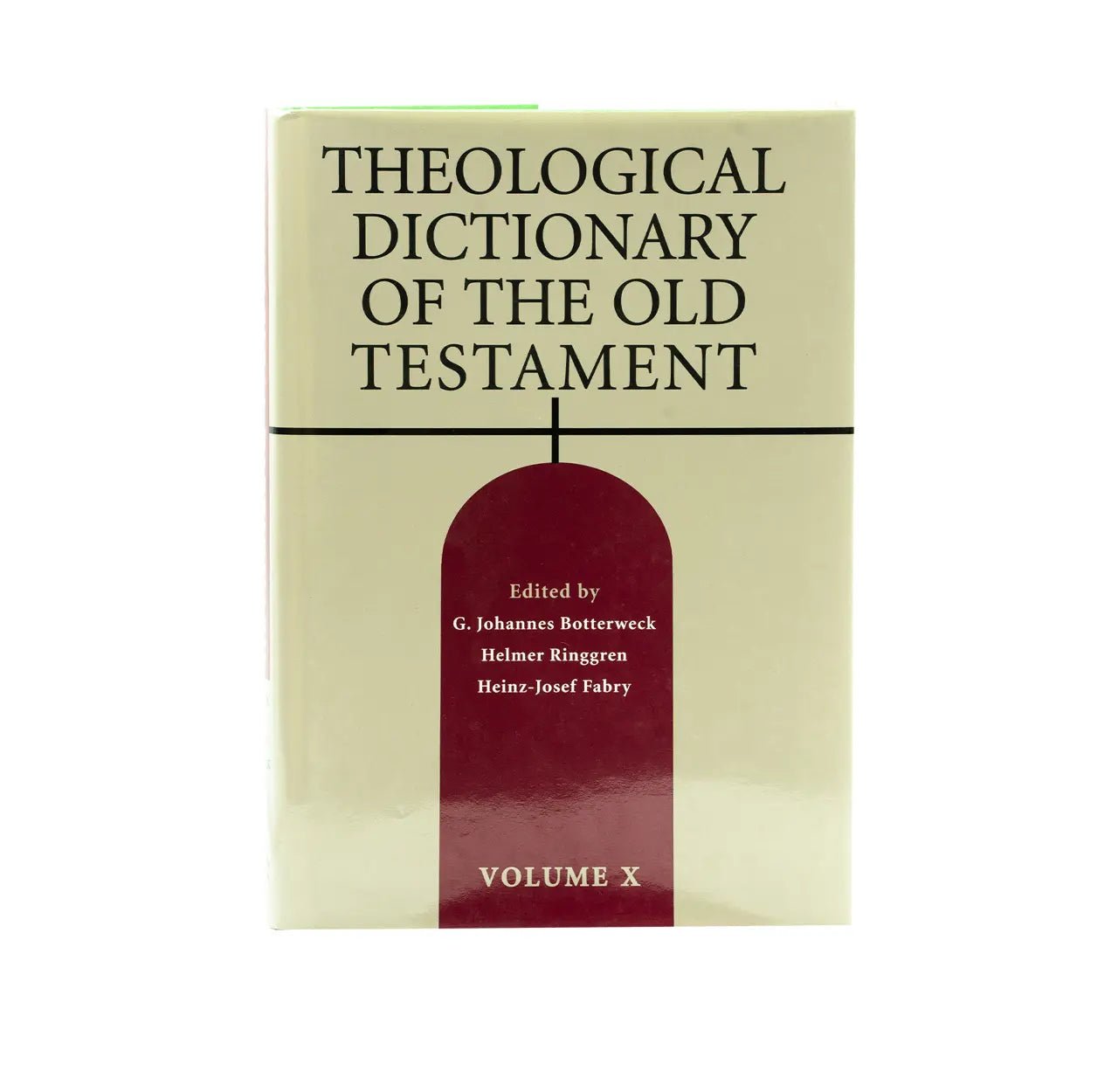
COMPREHENSIVE LEXICAL ANALYSIS
The writers of this theological dictionary aim to provide a thorough understanding of keywords by exploring their meanings in a general, everyday sense and building up to theologically significant concepts. By considering the larger groups of linguistically and semantically related words, the authors ensure a comprehensive analysis that avoids artificial restrictions. This approach allows for a rich and nuanced understanding of biblical words and their usage.
INTERDISCIPLINARY SOURCES AND REFERENCES
The lexical work in this dictionary is unparalleled in its scope, surveying a wide range of sources including Sumerian, Akkadian, Egyptian, Ethiopic, Ugaritic, and Northwest Semitic texts, as well as the Qumran texts and the Septuagint. The authors also consider cognate ideas in cultures where no direct equivalent exists, providing a truly interdisciplinary approach to understanding biblical words and concepts.
DEEPENING YOUR UNDERSTANDING OF BIBLICAL CONCEPTS
By examining the occurrences of words not only in biblical material but also in other ancient Near Eastern writings, this dictionary provides a rich and detailed understanding of theologically significant concepts. The writers’ approach helps readers to deepen their understanding of biblical concepts and to appreciate the complexities of language and meaning in the biblical text.
INFORMACIÓN ADICIONAL
- The intention of the writers is to concentrate on meaning, starting from the more general, everyday senses and building to an understanding of theologically significant concepts.
- To avoid artificially restricting the focus of the articles, TDOT considers under each keyword the larger groups of words that are related linguistically or semantically.
- The lexical work includes detailed surveys of a word’s occurrences, not only in biblical material but also in other ancient Near Eastern writings.
- Sumerian, Akkadian, Egyptian, Ethiopic, Ugaritic, and Northwest Semitic sources are surveyed, among others, as well as the Qumran texts and the Septuagint; and in cultures where no cognate word exists, the authors often consider cognate ideas.




Reviews
There are no reviews yet.