

REFORMATIVE THOUGHT IN EVOLUTIONARY THEORY
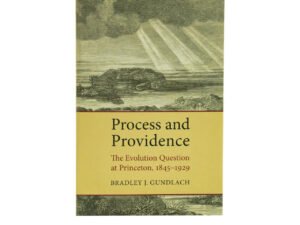
The old Princetonians offered a distinctive approach to evolution, rejecting the extremes of Darwinism and historicism while embracing developmentalism and non-Darwinian evolutionary theories. This approach allowed them to see process over time as being guided by God’s providential rule in the world, through the agency of second causes. By doing so, they aimed to provide a more nuanced understanding of evolution, one that was both enlightening and polemically useful. Their thoughtful critique of antisupernatural evolutionisms also helped to identify its pernicious causes and effects.
NUANCED PERSPECTIVES ON SCIENCE AND FAITH
This perspective on evolution reflects a deeper commitment to integrating faith and reason. The old Princetonians sought to challenge the dominant intellectual trends of their time, which they saw as being overly influenced by evolutionary theory. By offering a more balanced and thoughtful approach, they hoped to promote a more mature understanding of the relationship between science and faith. Their work continues to offer valuable insights for those seeking to navigate these complex issues.
RIGOROUS CRITIQUE OF DARWINIAN ORTHODOXY
The old Princetonians were not afraid to challenge the prevailing views on evolution, particularly those associated with Darwinism. They carefully examined the underlying assumptions and implications of Darwinian theory, arguing that it was necessary to approach evolution with a more critical and nuanced perspective. By doing so, they aimed to promote a more thoughtful and reflective engagement with evolutionary theory, one that took account of both its potential benefits and its limitations.
INFORMATIONS COMPLÉMENTAIRES
- Decrying an intellectual world gone “evolution-mad,” the old Princetonians nevertheless welcomed evolution “properly limited and explained.”
- Rejecting historicism and Darwinism, they affirmed developmentalism and certain non-Darwinian evolutionary theories.
- They found process over time through the agency of second causes – God’s providential rule in the world — both enlightening and polemically useful.
- They also took care to identify the pernicious causes and effects of antisupernatural evolutionisms.



Reviews
There are no reviews yet.